
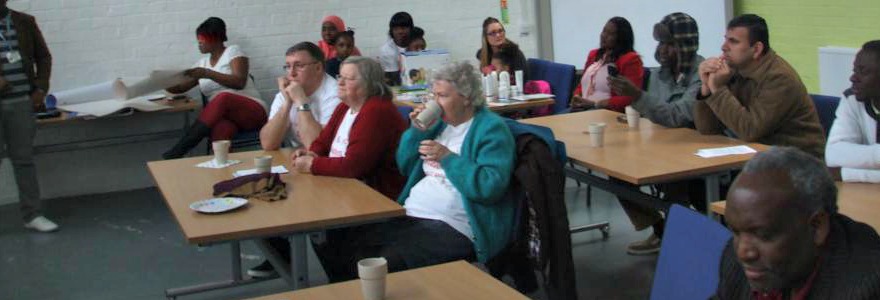
BAMEEN Diabetes Awareness Project – Reaching and Empowering Minority Ethnic Communities in Hull
BAMEEN delivered a successful five-month diabetes awareness project aimed at raising knowledge of Type 2 diabetes within Black and Minority Ethnic (BME) communities in Hull. This initiative was driven by statistics from Diabetes UK, which highlighted that individuals from BME backgrounds are up to six times more likely to develop Type 2 diabetes than the wider population. With professional support from Diabetes UK facilitators, the project focused on educating participants about diabetes, promoting preventative lifestyle changes, and connecting communities with ongoing support networks.
The project initially set out to reach 60 participants, targeting males and females aged 13 to 64. However, the response exceeded expectations, with a total of 176 BME individuals engaged — nearly three times the original target. Participants ranged in age from 18 to 70, with 64% male and 36% female. Despite challenges in engaging younger people and women, BAMEEN saw this participation level — particularly among women — as a breakthrough, given cultural and logistical barriers, such as the difficulty of organising female-only sessions. For example, one well-attended event held at a mosque saw strong male engagement, although women were unable to participate due to venue restrictions.
Workshops were delivered independently and in partnership with other agencies, focusing on identifying risk factors for diabetes such as poor diet, sedentary lifestyles, and stress. A key outcome of the sessions was a shift in participants’ attitudes and behaviours. Many expressed that the information was eye-opening and helped them better understand the disease and how to prevent it.
The project also created links with existing health-promoting activities. Participants were encouraged to join local food growing schemes as part of BAMEEN’s “Growing Diversity for Hull” programme, funded by the Big Lottery, and its EU-funded urban agriculture project. These initiatives complement the diabetes project by promoting healthy eating and active living, providing a sustainable foundation for long-term change.
Regular community meetings continue to highlight a high prevalence of related health issues, such as high blood pressure, obesity, heart disease, and blurred vision. These conditions, often linked to diabetes, reinforce the urgent need for continued awareness and prevention work, especially among women and young people. Overall, the project was a resounding success, building momentum for future health-based initiatives within Hull’s BME communities